
Window drafts are one of the most common causes of uneven temperatures and rising energy bills in a home. When windows let outside air in, heating and cooling systems have to work harder to maintain comfort. Learning how to identify and fix window drafts helps homeowners improve efficiency, eliminate cold spots, and make indoor spaces more comfortable year-round.
How Window Drafts Affect Comfort and Efficiency
Drafty windows often go unnoticed until temperatures drop or energy costs increase. Air leaks around windows allow conditioned air to escape while letting unconditioned outdoor air enter. This imbalance creates cold or hot zones near windows, making it difficult to maintain consistent indoor temperatures. Addressing window drafts early can help stabilize comfort and reduce unnecessary strain on HVAC systems. Most window drafts are caused by aging materials or installation issues. Worn weatherstripping, gaps between the window frame and wall, cracked caulking, and warped sashes are frequent culprits. Even newer windows could develop drafts if seals fail or the surrounding structure shifts slightly over time. Understanding the cause helps determine whether a simple fix or a more involved repair is needed.
How to Identify Window Drafts in Your Home
Finding drafts is the first step toward fixing them. A noticeable temperature difference near windows, rattling panes during wind, or curtains moving slightly are common indicators. On colder days, running a hand slowly around the window frame may reveal areas where cold air is entering. Identifying the source of window drafts allows homeowners to target repairs more effectively.
Fix Window Drafts with Weatherstripping
Weatherstripping is one of the easiest and most effective ways to address drafts. It seals the gaps between movable window components and the frame, preventing air from leaking in or out. Choosing the correct type of weatherstripping is important, as different windows require different materials. Start by cleaning the window frame to remove dirt and debris so the weatherstripping adheres properly. Measure each side of the window carefully to ensure a snug fit. Apply the weatherstripping along the areas where the sash meets the frame, pressing firmly to secure it. Once installed, test the window to confirm it opens and closes smoothly while sealing out window drafts.
Sealing Gaps and Cracks
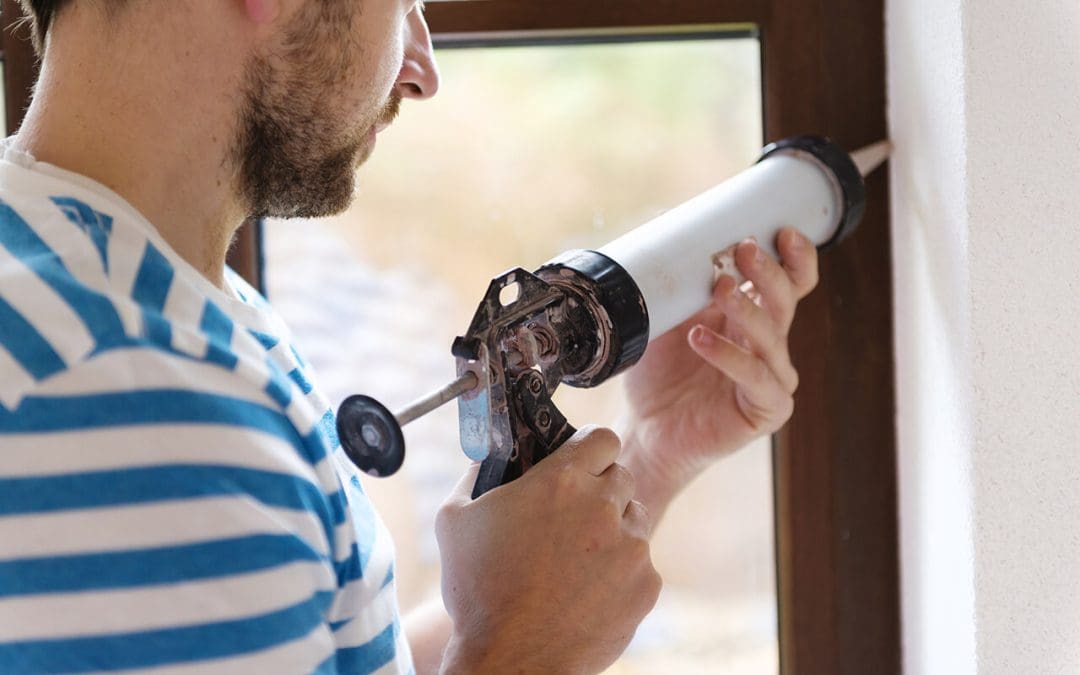
Gaps around window frames are another major source of air leakage. These spaces are often hidden behind trim or difficult to see without close inspection. Sealing them will significantly reduce drafts and improve insulation. For small cracks, applying exterior-grade caulk creates a flexible seal that blocks air infiltration. Larger gaps may require expanding foam sealant, which fills irregular spaces more completely. Before sealing, remove any old or damaged material to ensure a clean surface. Applying sealant evenly and allowing it to properly cure helps create a long-lasting barrier against window drafts.
Temporary Solutions for Stopping Drafts
Temporary fixes provide relief when permanent repairs aren’t immediately possible. While not ideal for long-term use, they could make a noticeable difference during extreme temperatures. Applying clear window film adds an extra layer of insulation, reducing heat transfer. Draft stoppers placed along the bottom of windows help block cold air from entering the room. These solutions are quick to install and inexpensive, making them useful short-term options for minimizing window drafts.
When Drafts Signal Bigger Issues
Sometimes drafts indicate more serious problems that require professional attention. Persistent drafts after sealing and weatherstripping may suggest failing window seals, structural movement, or improper installation. If windows are damaged, single-pane, or nearing the end of their lifespan, replacement may be the most effective solution. Modern windows offer improved insulation, tighter seals, and better overall performance. Evaluating the condition of existing windows helps homeowners decide whether repair or replacement makes more sense.
By taking practical steps to fix window drafts, homeowners will improve comfort, enhance energy efficiency, and reduce unnecessary wear on heating and cooling systems. Small repairs often make a big difference in creating a more comfortable and efficient home.
Frequently Asked Questions (FAQs)
How do you tell if window drafts are causing high energy bills?
If heating or cooling costs rise unexpectedly and rooms near windows feel uncomfortable, drafts may be contributing to energy loss.
Can window drafts be fixed without replacing the window?
Yes, many drafts can be resolved with weatherstripping, caulking, or sealing gaps around the frame.
Are window drafts worse in older homes?
Older homes are more likely to have drafts due to aging materials, but newer homes could also experience drafts if windows are improperly sealed.
Do temporary fixes actually help?
Temporary solutions will reduce discomfort, but permanent sealing or repairs provide more reliable, long-term results.
How often should windows be inspected for drafts?
Inspecting windows annually, especially before seasonal temperature changes, helps catch drafts early.
All Pro Property Inspections offers home inspections in the Greater San Diego area. Contact us to request our services.