
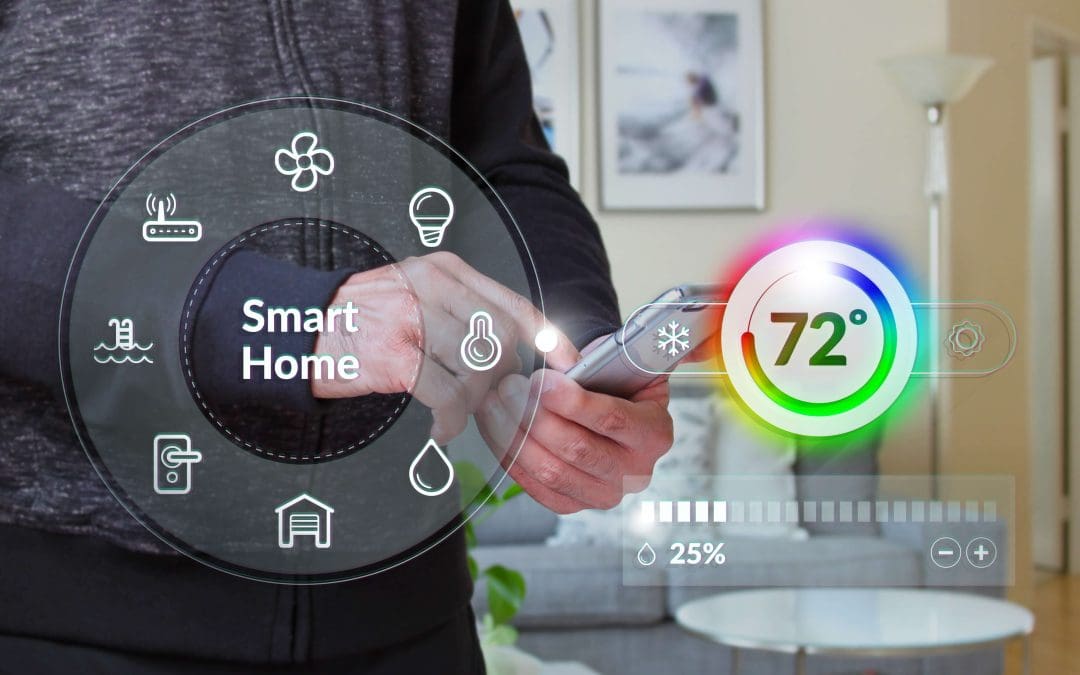
The smart home has moved well beyond novelty. Home technology that once seemed futuristic is now accessible, affordable, and genuinely useful for everyday homeowners. Whether you’re looking to improve energy efficiency, enhance security, or simply make daily routines more convenient, today’s home technology offers practical solutions that deliver real returns. The challenge is knowing which ones are worth your time and money.
Why Home Technology Is More Practical Than Ever Before
The barrier to entry for smart home technology has dropped dramatically in recent years. Devices that once required professional installation can now be set up in an afternoon by anyone comfortable with a smartphone. Ecosystems from Google, Amazon, and Apple have made it easier to connect devices from different manufacturers under a single platform, reducing the frustration that fragmentation once caused. Beyond convenience, home technology increasingly delivers measurable financial benefits. Smart thermostats consistently reduce HVAC energy consumption by 10 to 15 percent annually, enough to pay for the device within a single season. Smart water leak detectors can identify slow leaks before they become catastrophic, potentially saving thousands in water damage repairs.
Smart Security That Protects What Matters Most
Security is consistently the category driving the most homeowner interest in smart home technology, and the options today are genuinely impressive. Video doorbells with HD cameras, two-way audio, and motion detection let homeowners see and speak to anyone at the front door from anywhere in the world, and record footage invaluable in the event of a security incident. Smart locks eliminate physical keys and allow remote access management. Temporary codes for contractors or houseguests can be set to expire automatically, a level of control traditional locks simply can’t offer. When paired with cameras and a monitored alarm, smart locks become part of a layered security ecosystem that significantly raises protection. Motion-activated floodlights with integrated cameras extend visibility to the property perimeter and deter opportunistic intruders. For homeowners who travel frequently, this category of home technology delivers consistent, practical value.
Energy Management Home Technology That Pays for Itself
Smart thermostats remain one of the highest-return investments in home technology. Devices learn your schedule, adjust temperatures based on occupancy, and can be controlled remotely, ensuring your home never heats or cools an empty house, a surprisingly significant source of energy waste. Smart lighting systems add efficiency and convenience simultaneously. Automated schedules and occupancy sensors reduce lighting energy use and eliminate lights left on in unoccupied rooms. Smart power strips and energy monitors give homeowners visibility into what individual appliances consume in standby mode, often revealing surprising draws that are easy to eliminate once visible.
Home Technology for Comfort, Convenience, and Everyday Life
Beyond security and energy, home technology addresses the friction of everyday life in ways that genuinely improve daily routines. Smart speakers with voice assistant integration put weather, timers, reminders, and music control hands-free throughout the home. Smart kitchen appliances reduce the mental load of household management in ways that add up across a busy week. Whole-home Wi-Fi mesh systems have become essential home infrastructure, eliminating the dead zones that a single router creates in larger homes. Reliable, consistent connectivity isn’t glamorous, but it’s the foundation on which everything else depends, and a mesh system upgrade is one of the most immediately noticeable improvements most homeowners can make.
Frequently Asked Questions (FAQs)
Where should I start with home technology if I’m new to it?
Smart speakers and a smart thermostat are the two best entry points. Smart speakers introduce voice control and ecosystem integration with minimal complexity. A smart thermostat delivers immediate energy savings and teaches you how connected devices work before you invest in more complex systems. Smart lighting and a video doorbell are logical next steps that build naturally on that foundation.
Do smart home devices work with all smartphones and operating systems?
Most major devices support both iOS and Android. Compatibility between devices and ecosystems can vary, so checking that a device works within your preferred platform before purchasing saves frustration.
Are smart home devices secure from hacking?
Like all internet-connected devices, smart home technology carries some cybersecurity risk. Best practices include using strong passwords, enabling two-factor authentication, keeping firmware updated, and placing smart home devices on a separate Wi-Fi network.
How much does it cost to outfit a home with smart technology?
The range is enormous, from a $50 smart bulb starter kit to thousands for a fully integrated whole-home system. For most homeowners, a practical starting budget is $500 to $1,500. Building incrementally as you identify the most valuable applications for your lifestyle is more satisfying than buying everything at once.
Can I install smart home technology myself or do I need a professional?
The vast majority of consumer smart home technology is designed for DIY installation. Smart thermostats, video doorbells, smart locks, and smart speakers all come with straightforward app-based setup that most homeowners complete without difficulty. Whole-home systems or anything requiring wiring changes may benefit from professional installation, particularly where electrical work or network infrastructure design is involved.
All Pro Property Inspections offers home inspection services in the Greater San Diego area. Contact us to request our services.