
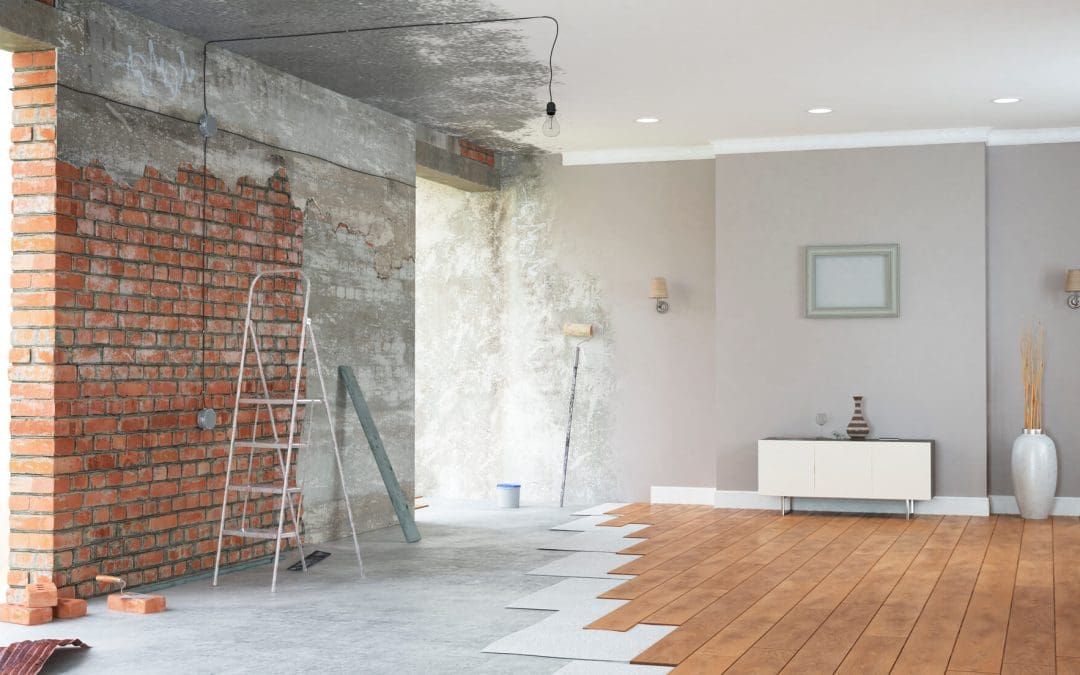
Home renovation mistakes are more common than most homeowners expect and more expensive than most renovation budgets account for. A project that begins with a clear vision and a reasonable budget can unravel quickly when planning assumptions turn out to be wrong, scope expands beyond what the original budget supports, or a contractor relationship produces work that doesn’t meet the expected standard. Understanding the most common mistakes before a project begins is the preparation that most consistently produces a renovation that delivers the intended result on a timeline and budget the homeowner can live with.
Home Renovation Mistakes That Cost the Most to Fix
The home renovation mistakes that most consistently derail projects are made before any work begins. Underestimating total cost is the mistake most universally experienced by first-time renovators. The visible cost of materials and labor rarely represents the full cost once permits, design fees, waste disposal, unexpected conditions behind walls, and inevitable scope changes are factored in. A contingency budget of fifteen to twenty percent above the contractor’s estimate is the planning discipline that most prevents a mid-project financial crisis. Skipping the permit process is the mistake with the longest-lasting consequences. Unpermitted work discovered during a future sale creates disclosure obligations, triggers required remediation, and could affect buyer financing. Any renovation involving structural changes, electrical work, plumbing modifications, or HVAC changes typically requires a permit, and the cost of skipping it surfaces at the worst possible moment: during a transaction.
Contractor Selection Affects Everything Downstream
Choosing the wrong contractor is the home renovation mistake with the broadest downstream consequences. The mistake most commonly made in contractor selection is choosing based on price alone. Accepting the lowest bid without evaluating the contractor’s track record, verifying license and insurance credentials, or understanding what the bid does and doesn’t include. Getting multiple bids, checking references on similar projects, verifying license status with the state contractor board, and confirming that general liability and workers’ compensation insurance are current before signing anything are the contractor selection steps that most reduce the risk of a poor outcome. A written contract specifying scope, materials, payment schedule tied to milestones, and the process for handling changes is the home renovation protection that most clearly defines terms before disputes arise.
Home Renovation Mistakes During Construction
The home renovation mistakes made during construction are most often the product of inadequate communication and scope creep, the gradual expansion of the project that adds cost without a corresponding budget adjustment. Every addition to scope, however minor, should be addressed through a written change order specifying the additional cost and timeline impact before work proceeds. Verbal approvals addressed later produce the end-of-project billing surprises that strain relationships and budgets simultaneously. Making design decisions under time pressure is the mistake that most frequently produces choices the homeowner regrets. Selecting all finishes before construction begins, with samples in the actual space under actual lighting conditions, is the planning discipline that most consistently produces a result the homeowner is satisfied with.
Frequently Asked Questions (FAQs)
What is the most expensive home renovation mistake to fix?
Structural modifications made without engineering assessment or permits. Correcting unpermitted structural work may require opening walls, hiring a structural engineer, and in some cases demolishing and rebuilding the modified area to code. The assumption that a wall can be removed without assessment is one that could produce a five-figure correction during a transaction.
How do I avoid home renovation mistakes when hiring a contractor?
Verify license and insurance before signing anything, get at least three bids, check references on similar completed projects, and insist on a written contract with a detailed scope and milestone-based payment schedule. A reasonable contractor deposit is ten to twenty percent of the project cost, not fifty percent or more upfront.
Are DIY renovations a good way to avoid home renovation mistakes?
DIY reduces labor cost but introduces a different category of mistakes: work that doesn’t meet code or requires a professional to correct. Painting, flooring, and cosmetic updates are appropriate DIY territory. Electrical, plumbing, structural, and HVAC work are the categories where DIY most consistently produces the costly mistakes that professional involvement would have prevented.
How do I handle unexpected conditions discovered during a renovation?
Stop and assess before proceeding, get a professional opinion on scope and cost, and document everything with photographs before concealing it. The mistake of proceeding without fully addressing an unexpected condition to stay on schedule produces a problem that doesn’t go away; it just becomes more expensive to fix later.
What renovation mistakes affect resale value most?
Over-improving for the neighborhood, highly personalized design choices that limit buyer appeal, renovations completed without permits, and work that doesn’t match surrounding finish quality are the mistakes that most consistently reduce return on investment when the home eventually sells.
All Pro Property Inspections offers home inspection services in the Greater San Diego area. Contact us to request our services.