
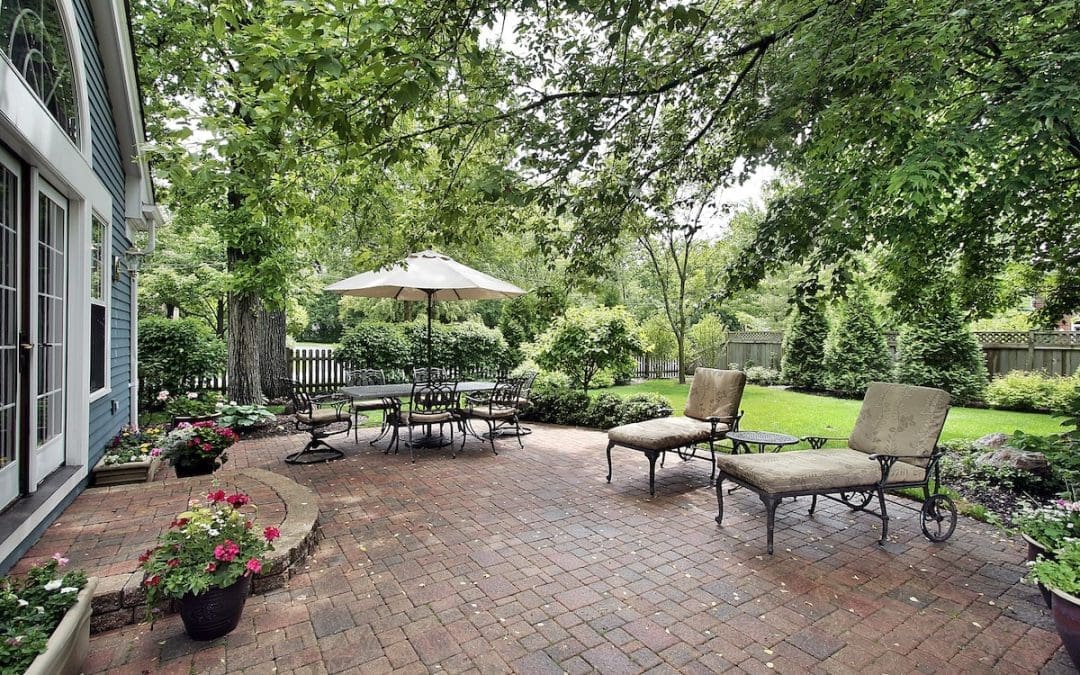
Hardscaping is a landscaping technique that involves the use of non-plant materials such as stone, concrete, wood, and metal to design and improve outdoor spaces. When done correctly, hardscaping can dramatically transform your yard into an aesthetically pleasing, functional, and low-maintenance space. Whether you’re adding a pathway, building a retaining wall, or creating an outdoor living area, the benefits of hardscaping go far beyond just beauty. It could increase the value of your home, reduce maintenance needs, and create a more enjoyable environment for relaxation and entertainment.
How Hardscaping Improves Your Outdoor Space
Hardscaping provides structure to your landscape, offering a unique contrast to the greenery of plants and grass. By incorporating elements like patios, decks, walkways, or even decorative rocks, you will create visually appealing spaces that enhance the overall design of your yard. The rigid materials used in hardscaping not only offer durability but also create well-defined boundaries, making your outdoor space look more organized. Additionally, hardscaping can improve your outdoor space’s functionality. Whether you’re looking to increase seating areas, create a functional pathway, or add privacy with a fence or screen, hardscaping offers solutions that cater to your specific needs.
Benefits of Hardscaping for Maintenance
One of the primary benefits of hardscaping is its low maintenance. Unlike traditional landscaping, which requires regular upkeep such as watering, pruning, and fertilizing, hardscaping materials are built to last with minimal effort. Materials like stone, brick, or concrete are not subject to the same seasonal growth cycles and maintenance that plants demand, making them ideal for homeowners who want a beautiful outdoor space without a lot of ongoing work. Furthermore, hardscaping is incredibly durable. Many hardscaping elements, such as patios or retaining walls, are built to withstand harsh weather conditions, including heavy rain, wind, and even snow. Unlike organic materials, which may degrade or become overgrown, hardscaping features are built to last.
Hardscaping Increases Property Value
Another compelling benefit of hardscaping is its potential to increase your property’s value. Well-designed outdoor spaces that incorporate hardscaping elements like stone walkways, patios, and fire pits are considered an asset in the real estate market. Potential buyers are drawn to homes with functional outdoor areas that can be used for entertaining, relaxing, or gardening without the constant upkeep of traditional landscaping. Investing in high-quality hardscaping will provide a significant return on investment when you decide to sell your home. Whether it’s the addition of a well-built deck, a stone pathway, or a beautiful outdoor kitchen, the aesthetics and functionality that hardscaping offers will appeal to a wide range of buyers.
Benefits of Hardscaping for Drainage and Erosion Control
Incorporating hardscaping features in your yard could help address drainage and erosion issues. For homeowners living in areas with heavy rainfall or sloped terrain, hardscaping elements like retaining walls or proper walkways will help direct water away from the home’s foundation and reduce soil erosion. Installing these features ensures that your lawn and garden are not washed away or left vulnerable to water damage. Retaining walls, for example, create a stable, level surface on sloped areas, preventing water runoff and promoting better drainage. This helps keep your property safe from potential flooding or erosion, especially during heavy rainstorms.
Enhancing Outdoor Living Spaces
One of the most exciting benefits of hardscaping is the ability to create inviting outdoor living spaces. Hardscaping allows you to build functional and comfortable areas where you and your family can relax, entertain, and enjoy the outdoors. Whether it’s a beautiful stone patio, a wooden deck, or an outdoor kitchen, these spaces provide a seamless transition from your indoor living areas to your outdoor environment. Creating a designated outdoor living area with durable and stylish materials gives your home an extended living space that can be used year-round. Add some outdoor furniture, lighting, and landscaping elements, and you’ll have a welcoming area to host gatherings, grill meals, or simply enjoy the fresh air.
Benefits of Hardscaping for Sustainability
Many homeowners are now opting for eco-friendly hardscaping options, which contribute to a more sustainable home. Materials like recycled stone, reclaimed wood, or permeable paving options allow for improved water drainage and reduce the need for excess irrigation. These choices help conserve water, reduce your environmental footprint, and create a more sustainable outdoor space. By using natural or recycled materials, homeowners contribute to a greener environment while still enjoying the long-lasting benefits of hardscaping.
The benefits of hardscaping are clear. From increasing property value to improving functionality, durability, and aesthetics, hardscaping offers numerous advantages for homeowners looking to enhance their outdoor living spaces. Whether you’re adding a simple path, a large patio, or a retaining wall, hardscaping will provide lasting beauty and practicality to your yard. It’s a smart investment that not only adds to the enjoyment of your home but also helps protect and preserve your landscape for years to come.
Frequently Asked Questions (FAQs)
What is hardscaping?
Hardscaping refers to the non-plant elements of landscaping, such as patios, walkways, walls, and other structures made of materials like stone, concrete, and wood.
How does hardscaping improve my yard?
Hardscaping enhances your yard by providing structure, creating functional outdoor spaces, improving drainage, and requiring less maintenance than traditional landscaping.
Can hardscaping increase my property value?
Yes, well-designed hardscaping features such as patios, walkways, and outdoor kitchens can increase the curb appeal and overall value of your home.
Is hardscaping low maintenance?
Yes, one of the key benefits of hardscaping is that it requires minimal maintenance compared to traditional landscaping, which needs regular watering, trimming, and fertilizing.
How can hardscaping help with drainage issues?
Hardscaping elements like retaining walls, pathways, and permeable paving materials will help manage water flow, reduce erosion, and improve drainage around your home.
All Pro Property Inspections offers home inspection services in the Greater San Diego area. Contact us to request our services.